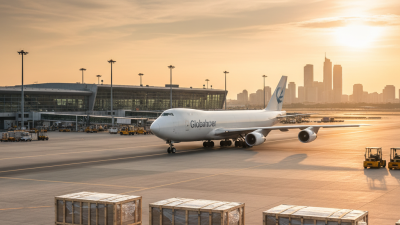
Air freight shipping moves cargo by aircraft between airports, linking factories, distribution centers, and customers across continents. It is chosen when speed, product value, or supply-chain urgency matters more than the lower cost of ocean transport. A pallet of medical equipment may leave Singapore in the evening and reach Frankfurt within hours, subject to handling and customs procedures.
The process begins with booking, cargo measurement, documentation, and security screening. A freight forwarder usually consolidates shipments, selects a carrier, and arranges airport delivery. At the terminal, workers weigh, inspect, label, and build cargo onto pallets or aircraft containers. The airline then transports the shipment through direct or connecting flights. After arrival, customs clearance and ground delivery complete the journey. Small details matter, including accurate dimensions, temperature instructions, and the final delivery address.
Industry data shows why this mode remains important. IATA reported that global air cargo demand increased 11.3% in 2024, measured in cargo tonne-kilometers. Its market analysis also recorded a 7.4% capacity increase during the same year. Boeing’s Commercial Market Outlook forecasts substantial long-term growth in dedicated freighter demand and air cargo traffic. These figures support strong confidence, but forecasts can change.
As Brendan Sullivan, IATA’s Global Head of Cargo, has stated, “Air cargo is the backbone of global trade.” That description is persuasive, though perhaps incomplete. Air freight shipping is fast, yet it can be expensive, capacity-sensitive, and vulnerable to delays at airports. Understanding how each handoff works helps shippers make practical decisions, not merely optimistic ones.
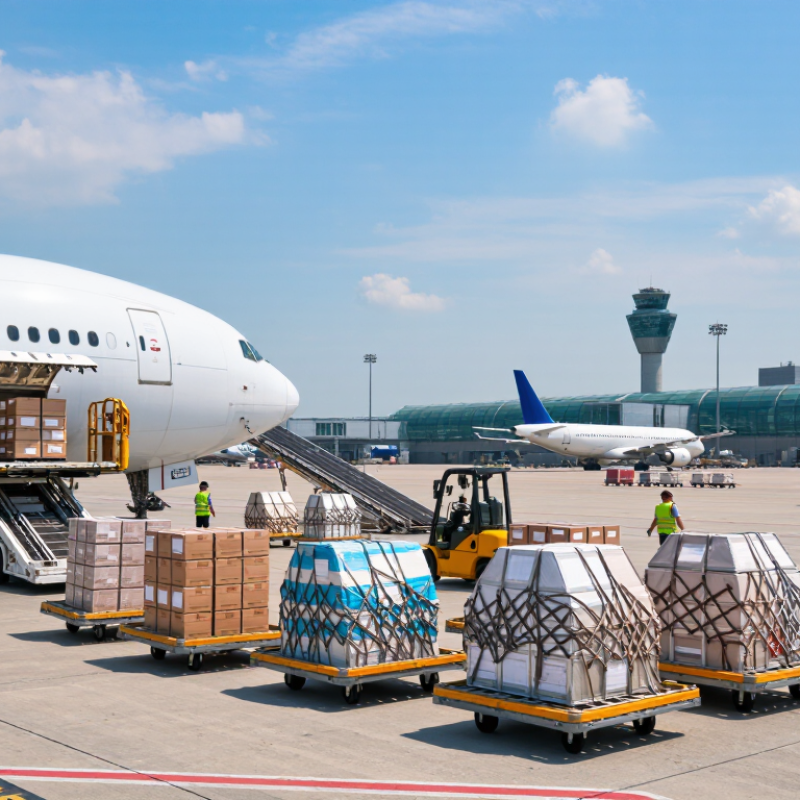
Air freight shipping is the movement of goods by aircraft between airports. It usually serves international and domestic supply chains. The process includes booking, cargo acceptance, security screening, documentation, flight handling, and final delivery. An airway bill records the shipment’s route, weight, handling instructions, and responsible parties. The service is designed for speed, distance, and controlled transportation.
According to the International Air Transport Association’s World Air Transport Statistics 2023, airlines carried approximately 58.8 million tonnes of air cargo. Air freight represents less than 1% of global trade volume, but around one-third of trade value. These figures explain its role in transporting urgent, valuable, or time-sensitive products. Speed matters. However, pricing usually depends on chargeable weight, calculated from actual weight or package volume. A large, lightweight carton can cost more than expected.
Core characteristics include scheduled flight networks, airport-based transfers, strict cargo screening, and limited capacity compared with ocean shipping. Tracking events often show acceptance, loading, departure, arrival, and customs release. IATA’s Air Cargo Market Analysis reported strong global cargo demand growth in 2024, showing continued reliance on aviation capacity. Yet air transport is not automatically reliable. Weather, airport congestion, missed cutoffs, or incomplete documents can delay a shipment. In practice, careful packaging and accurate data matter as much as speed. It remains powerful, but imperfect.
Air freight shipping is a coordinated network, not a single flight. The shipper prepares the goods, commercial documents, and handling instructions. A freight forwarder then plans the route, consolidates cargo, and checks capacity. At the airport, ground handlers weigh shipments, build pallets, and transfer them safely to the airline. The airline manages aircraft space, flight schedules, and transport between airports. A customs broker supports declarations and clearance, while the consignee receives the shipment at destination. Each participant controls a different risk.
The numbers show why these roles matter. The 2024 Air Cargo Market Analysis reported an 11.3% annual rise in global air cargo demand, measured in cargo tonne-kilometers. Available capacity increased by 7.4% during the same period. Air transport also carries more than 35% of global trade by value, according to industry trade data. A missed handoff can therefore affect high-value supply chains quickly. In practice, a warehouse scan, a damaged label, or an incomplete document may delay an entire consignment. The network looks precise. It is not always synchronized. Shipment visibility can still weaken between a forwarder, handler, and airline. Better data sharing helps, but it does not remove every operational blind spot. Roles also overlap in smaller markets, which can create confusion about responsibility. Clear instructions, verified measurements, and timely status updates remain essential.
Air freight shipping moves cargo between airports, often within a few days. The process begins when a shipper confirms the cargo’s weight, dimensions, value, and destination. Accurate details matter. A small measurement error can change aircraft space and handling costs. An experienced forwarder checks routing, capacity, and required transport documents. The shipper prepares a commercial invoice, packing list, and air waybill information. Goods are packed in strong cartons or crates, with labels facing outward. Fragile cargo needs cushioning, moisture protection, and clear handling instructions.
A pickup vehicle collects the shipment and takes it to a cargo terminal. Terminal staff inspect the package, weigh it, and compare it with the booking. Security screening follows. If the cargo passes, workers place it on a pallet or inside a container. The airline loads that unit after export procedures are completed. Flight schedules can change. Weather, capacity limits, or incomplete paperwork may cause delays. Tracking updates usually show acceptance, departure, arrival, and release events. In my experience, paperwork deserves as much attention as packaging.
After landing, the shipment enters import handling. A broker or consignee submits required documents and settles assessed charges. Authorities may inspect the cargo before release. Once released, a local carrier collects it from the terminal. The driver verifies the delivery address and obtains proof of delivery. Some shipments move directly to a warehouse. Others need temperature checks or careful unpacking. The process looks simple on paper, but handoff points create many mistakes. A clear checklist helps, although it cannot remove every uncertainty.
Air freight shipping moves cargo by scheduled passenger aircraft, dedicated freighters, or charter flights. Each option serves a different urgency, size, and handling requirement. Scheduled belly cargo suits smaller shipments on established routes. Freighter services handle heavier pallets, oversized machinery, and regular commercial volumes. Charter flights provide flexibility when capacity or timing becomes critical. Speed matters.
The main service types include express, standard air freight, consolidated cargo, and door-to-door forwarding. Express shipments receive priority handling, while consolidation combines several customers’ cargo into one unit. This can reduce cost, but delivery timing may depend on other shipments. Air waybills, security screening, customs documents, and transfer scans connect each stage. A missing weight detail can still create delays.
Cargo categories commonly include electronics, medical supplies, fashion samples, aircraft components, seafood, flowers, and temperature-sensitive products. These shipments need different controls. Perishables require short airport dwell times and careful packaging. Pharmaceuticals may need validated temperature ranges and continuous monitoring. According to the International Air Transport Association’s 2024 full-year air cargo analysis, global demand grew 11.3% in cargo tonne-kilometres, while capacity increased 7.4%. Air freight therefore remains valuable for time-sensitive trade, although higher rates and limited capacity can affect smaller shippers. IATA also reports that air cargo carries over one-third of global trade value, despite representing less than 1% of trade volume. That imbalance explains its role, but not every urgent shipment truly needs aircraft space.
Air Freight Shipping: Costs, Regulations, Benefits, and Limitations
Air freight moves cargo between airports, often within one to three days. The final delivery may take longer. Ground handling, customs clearance, and local transport still require time. Charges usually depend on actual weight or dimensional weight, whichever is higher. Fuel surcharges, security fees, storage, and seasonal capacity can increase the invoice. A small, dense box may cost more than expected.
Regulations vary by origin, destination, cargo type, and transport route. Accurate invoices, packing details, and customs information help prevent delays. Freight professionals should verify current rules before booking. Air shipping offers speed, better inventory control, and useful tracking visibility. However, it costs more than ocean or road transport for many shipments. Aircraft capacity is limited, and weather or airport congestion can disrupt schedules. It also creates a larger carbon footprint per kilogram. That limitation deserves honest attention. Fast does not always mean efficient.
Tips: Measure and weigh every carton carefully. Ask for a complete quotation, including destination charges. Build extra time into delivery promises. Confirm documentation before pickup. A common planning mistake is choosing air freight only because the cargo feels urgent. Compare the cost of delay with the transport cost. Sometimes, a slower option is wiser.
| Data Dimension | Key Information | Typical Range or Requirement | Practical Consideration |
|---|---|---|---|
| Definition | Air freight shipping is the transportation of cargo by aircraft between airports, usually supported by freight forwarders, customs brokers, ground handlers, and carriers. | Designed for fast, time-sensitive, high-value, or perishable cargo. | It is generally faster than ocean, road, or rail transport but normally costs more. |
| Typical Shipping Process | Booking → cargo preparation → export documentation → security screening → airport handling → flight departure → import customs clearance → delivery. | The process may involve several handoffs and inspections. | Incorrect documents or incomplete cargo information can delay acceptance or clearance. |
| Transit Time | Airport-to-airport transit is often short, but total door-to-door time includes pickup, consolidation, security, customs, and final delivery. | Commonly about 1–3 days for direct or well-connected services; approximately 3–10 days when connections and customs are included. | Actual timing depends on route availability, flight schedules, weather, customs, and service level. |
| Chargeable Weight | Air freight pricing commonly uses the higher of actual gross weight or volumetric weight. | A widely used calculation is: Length × Width × Height in centimeters ÷ 6,000 = volumetric weight in kilograms. | The divisor can vary by route, service, or tariff, so the applicable quote should be checked before booking. |
| Indicative Freight Cost | The base air freight rate is usually calculated per chargeable kilogram. | A broad planning estimate for general cargo may be about US$2–US$8 per chargeable kilogram, excluding many additional charges. | Rates vary significantly with origin, destination, fuel prices, capacity, season, shipment size, and urgency; this is not a binding quotation. |
| Common Surcharges | Potential additions include fuel, security, screening, handling, documentation, customs, storage, remote-area delivery, and peak-season surcharges. | The final landed logistics cost can be materially higher than the base freight rate. | Request an itemized quote showing origin and destination charges separately. |
| Required Documents | Common documents include a commercial invoice, packing list, air waybill, and export or import declarations where applicable. | Additional permits, certificates, or licenses may be required for controlled, agricultural, medical, or strategic goods. | Product descriptions, quantities, values, weights, and country-of-origin details should be accurate and consistent. |
| Air Waybill | An air waybill is the transport document containing shipment, routing, handling, and consignee information. | It is generally non-negotiable and does not function as a document of title in the same way as some ocean bills of lading. | The shipment information should match the commercial invoice and customs declaration. |
| Dangerous Goods | Batteries, chemicals, aerosols, flammable materials, dry ice, and other regulated items may be classified as dangerous goods. | Classification, packaging, marking, labeling, documentation, and quantity limits apply under international air transport rules and local laws. | Cargo should not be tendered until its classification and acceptance requirements have been verified. |
| Security Screening | Air cargo is subject to security controls intended to prevent prohibited articles and unauthorized access from entering the aviation supply chain. | Screening methods and requirements depend on the shipment, route, origin, and applicable national aviation-security rules. | Unscreened, poorly packed, or inaccessible cargo may require additional handling or may be refused. |
| Customs and Trade Compliance | Import authorities assess classification, customs value, origin, admissibility, duties, taxes, and any applicable trade controls. | Duties and taxes vary by product classification and destination-country rules. | The importer of record is typically responsible for compliance, payment, and responding to customs requests. |
| Packaging Requirements | Packaging should protect cargo from vibration, pressure changes, stacking, handling, and temperature variation. | Packages should be secure, properly labeled, and suitable for mechanized handling and airport transfers. | Oversized, fragile, temperature-sensitive, or irregular cargo may require special packing or pre-approval. |
| Main Benefits | Fast transit, frequent international connectivity, improved inventory responsiveness, and reduced exposure to long ocean or land transit cycles. | Especially useful for urgent replenishment, high-value products, samples, spare parts, and perishables. | The time benefit should be compared with the total door-to-door cost, not only the airport-to-airport rate. |
| Main Limitations | Higher cost per kilogram, capacity constraints, stricter restrictions, weather disruption, and greater environmental impact per unit of cargo than many surface modes. | Less economical for dense, low-value, bulky, or non-urgent cargo. | Ocean, rail, or road transport may be more suitable when cost and carbon intensity are higher priorities than speed. |
| Suitable Cargo | Examples include electronics, pharmaceuticals, urgent replacement parts, fashion items, documents, samples, and fresh products. | Best suited to cargo where speed, product value, shelf life, or service continuity justifies the premium. | Temperature-controlled and perishable shipments require validated packaging, handling procedures, and monitoring. |
| Shipment Suitability Check | Evaluate urgency, cargo value, weight-to-volume ratio, destination access, regulatory status, packaging needs, and total landed cost. | Air freight is usually justified when the cost of delay exceeds the transportation premium. | Compare at least two routing and service options, including customs and final-mile charges. |
Note: Transit times, freight rates, document requirements, and regulatory restrictions vary by origin, destination, commodity, season, and service provider. Cost figures are general planning estimates rather than guaranteed quotations.
Fax: (920) 793-3818