
Choosing a freight partner can shape delivery times, landed costs, and the customer experience. A container may cross oceans smoothly, yet a missed port cutoff or unclear surcharge can disrupt the plan. For global buyers, freight company shipping is not just a rate comparison. It is a test of visibility, coordination, and reliable communication.
Logistics scholar Martin Christopher is often quoted as saying, “Competition is no longer between companies, but between supply chains.” That idea matters when a shipment depends on carriers, ports, customs brokers, and warehouses working together. The Top 10 Freight Shipping Companies for Global Buyers compares providers through practical factors: geographic reach, transport options, tracking tools, schedule reliability, service support, and pricing clarity. These details help buyers ask better questions before signing a contract.
No ranking fits every shipment. A small importer moving cartons by air may value responsive support, while a manufacturer booking regular containers may prioritize capacity and predictable transit times. Even strong providers can have weak spots. A polished tracking page does not guarantee clear answers when a delay occurs. That deserves scrutiny. This guide offers a considered starting point, not a promise of perfect performance. Compare quotes carefully, check service terms, and match each company to your route, cargo requirements, and delivery deadlines.
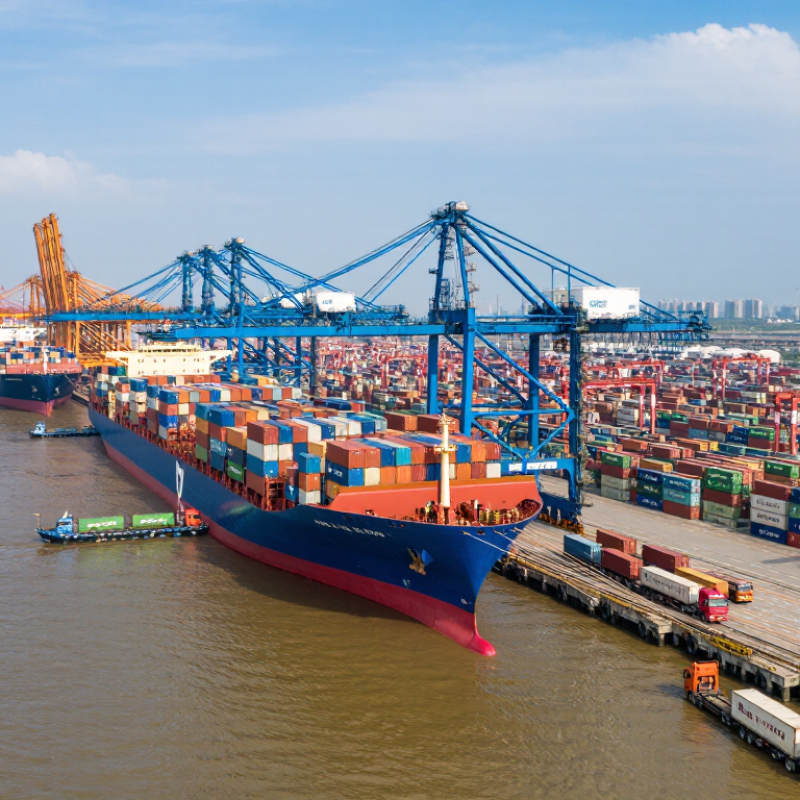
Freight shipping companies support global trade by linking factories, ports, warehouses, and buyers across different transport networks. They help businesses compare sea, air, rail, and road options, balancing delivery time against cargo size and cost. A shipment of machine parts, for example, may travel by truck to a port, cross an ocean, then continue by rail to an inland distribution center.
The work involves more than moving cargo. Experienced logistics teams coordinate bookings, prepare shipping documents, check package details, and communicate handoffs between carriers. Clear records can help prevent avoidable delays when a container is inspected or a delivery detail needs correction. Small errors matter. A mismatched address or missing carton count can slow a shipment and disrupt a buyer’s production schedule.
Reliable providers also give customers shipment updates and explain possible changes to arrival dates. Digital tracking is useful, but it is not always immediate; a port scan may appear hours after a container has moved. Businesses should ask how often updates are refreshed and who handles exceptions. Plans can still miss. Weather, congestion, and equipment shortages are difficult to predict, so practical support includes honest estimates, prompt notice of delays, and workable alternatives.
When comparing international freight providers, look beyond the quoted price. A low ocean rate can hide terminal handling, documentation, or destination fees. Ask for a lane-specific quote that lists pickup, port charges, customs support, and final delivery separately. Check what changes when cargo misses a sailing.
Reliability shows up in the details. Review on-time performance for the exact origin and destination, not a global average. Ask how often tracking updates appear and who contacts you when a container waits at a transshipment port. Test response quality with a practical question before signing. Fast replies matter. A clear escalation path matters more.
Capacity and service fit matter, too. Confirm whether the provider handles your cargo dimensions, seasonal volume, and temperature needs. Request references from shippers with similar routes, then verify them directly. Compare insurance limits, claims steps, and exclusions in plain language. A polished dashboard is useful, but it cannot replace a reachable operations contact. One detail buyers can underestimate is the handoff between teams. Promises may sound clear, yet a delayed update can leave you guessing. Include that risk in your comparison, even if it is difficult to score.
Typical international line-haul transit-time ranges by freight mode
Transit time is one useful comparison criterion alongside route coverage, customs support, shipment tracking, and service reliability. These indicative ranges vary by route, schedule, and handling requirements; confirm current estimates with providers before booking.
Global buyers should compare freight providers by lane coverage, equipment access, tracking, and problem handling—not headline rates alone. UNCTAD’s Review of Maritime Transport 2024 reported that seaborne trade grew 2.4% in 2023, while disruptions continued to reshape routes. The ten profiles below describe useful provider types, not a ranked endorsement of named companies.
Profiles 1–4: large ocean carriers suit steady container volumes; regional carriers can offer stronger local sailing options; refrigerated specialists handle temperature-sensitive shipments; and less-than-container-load providers consolidate smaller consignments. Profiles 5–7: integrated logistics firms coordinate sea, air, and trucking; customs-brokerage specialists help manage documents; and air-freight operators serve urgent, high-value goods. Profiles 8–10: project-cargo firms move oversized machinery; regional forwarders can provide hands-on origin support; and digital forwarders emphasize online quotes and shipment visibility.
The World Bank’s Logistics Performance Index 2023 assessed 139 economies, underscoring how logistics quality varies by market. Ask providers for recent performance on your specific route, including transit-time ranges, missed connections, and claims response. Check who handles the shipment when a port changes or a document needs correction. Small details matter. A polished tracking page is helpful, but it cannot replace clear escalation contacts. Even experienced buyers sometimes overvalue low quotes; accessorial fees and inconsistent service can erase the savings.
Profiles of 10 Freight Shipping Companies for Global Buyers — anonymized provider snapshots for comparing services and regional strengths.
| Profile | Provider type and base | Core freight modes | Common services | Notable strength | Often a fit for | Buyer checks |
|---|---|---|---|---|---|---|
| Profile 01 | Europe-based global freight forwarder | Air, ocean, road, and rail | Customs brokerage, shipment tracking, warehousing, and multimodal transport | Broad international forwarding services with options for combining freight and contract logistics | Buyers seeking one provider for shipments across several regions and transport modes | Confirm lane coverage, local customs support, service-level terms, and destination charges |
| Profile 02 | Switzerland-based global freight forwarder | Ocean and air, with road and rail services | Full-container and less-than-container-load shipping, air freight, customs, and supply-chain services | Established international forwarding network and substantial ocean-freight capabilities | Importers with recurring ocean or air shipments and multi-country sourcing | Compare sailing schedules, space availability, transit-time estimates, and origin fees |
| Profile 03 | Northern Europe-based integrated logistics provider | Air, ocean, road, and rail | Freight forwarding, customs clearance, contract logistics, and project cargo services | Combines international freight with road transport and logistics services | Businesses moving freight within Europe as well as on intercontinental lanes | Check whether local operations are direct or partner-operated and identify the contracting entity |
| Profile 04 | North America-based asset-light logistics provider | Road, air, and ocean | Freight brokerage, managed transportation, forwarding, and shipment coordination | Flexible carrier sourcing, particularly for North American truck transportation | Shippers that need truck capacity, transportation management, or a mix of domestic and international services | Ask how capacity is sourced, who handles claims, and what visibility is available from pickup to delivery |
| Profile 05 | US-founded international freight forwarder | Air, ocean, and road | Customs brokerage, cargo insurance options, consolidation, and trade-compliance support | Forwarding and customs services supported by an international office network | Importers and exporters that value coordinated documentation and shipment management | Verify customs-broker responsibility, data requirements, local contacts, and exception-handling procedures |
| Profile 06 | France-origin global logistics group | Air, ocean, road, and rail | Freight forwarding, contract logistics, warehousing, and project logistics | Offers freight and warehousing capabilities within a broader logistics portfolio | Companies looking to coordinate international transportation with storage or distribution | Assess warehouse locations, inventory-system integration, and the scope of any bundled quotation |
| Profile 07 | Japan-origin integrated logistics provider | Air, ocean, road, and rail | International forwarding, domestic distribution, customs support, and supply-chain logistics | Experience serving Japan-linked supply chains and manufacturing trade | Buyers sourcing from or shipping to Japan and neighboring Asian markets | Confirm origin coverage outside major cities, handling requirements, and local-language support |
| Profile 08 | China-based integrated logistics provider | Ocean, air, road, and rail | Export forwarding, customs services, cargo consolidation, and multimodal transport | Knowledge of China-origin logistics and access to multiple transport options | Importers managing regular exports from China or sourcing from multiple Chinese suppliers | Check supplier pickup coverage, export documentation workflows, peak-season capacity, and destination handoff |
| Profile 09 | Hong Kong-origin logistics provider with an Asia-focused network | Air, ocean, road, and cross-border transport | Freight forwarding, regional distribution, warehousing, and supply-chain services | Regional knowledge across Asian trade routes and distribution networks | Businesses moving goods between Asian production centers and international markets | Review country-by-country service coverage, partner arrangements, and cross-border customs responsibilities |
| Profile 10 | Global logistics provider associated with ocean shipping operations | Ocean, road, rail, and air | Ocean freight, inland transportation, customs support, and end-to-end logistics coordination | Can coordinate ocean transport with inland movement and port-related logistics | Buyers with containerized cargo and shipments requiring port-to-door coordination | Compare routing options, free-time terms, demurrage and detention rules, and inland delivery charges |
Profiles are anonymized and descriptive, not a ranked performance assessment. Service availability, network coverage, pricing, and transit times vary by country, route, shipment, and contract; verify details directly before booking.
Leading freight providers differ in more than price. Compare their ocean, air, rail, and road services against your cargo size, delivery window, and destination. UNCTAD’s Review of Maritime Transport 2024 reports that maritime trade grew 2.4% in 2023, while ton-miles rose 4.2% as ships traveled farther. Route changes can therefore affect transit times, fuel costs, and schedules. A direct sailing may look faster on paper, but a dependable connection and clear contingency plan can matter more.
Technology helps buyers see what is happening between pickup and delivery. Look for shipment tracking, electronic documents, milestone alerts, and visibility into customs handoffs. The World Bank’s 2023 Logistics Performance Index includes tracking and tracing among its six assessment dimensions. Still, a dashboard cannot prevent every port delay. One weakness in many comparisons: quoted transit times may exclude local delivery or time spent awaiting documents. Check what each estimate actually covers.
Tips: Ask for route options, typical transit-time ranges, and likely transfer points. Request a sample tracking view and clarify who handles exceptions. Compare total landed logistics costs, not just the freight quote. Small delays compound.
Choosing a freight partner begins with the shipment, not the sales pitch. Map your regular lanes, cargo dimensions, delivery deadlines, and seasonal peaks. Then ask which services the provider handles directly and which depend on subcontractors. Clear answers matter. A low quote may exclude port storage, fuel adjustments, or delivery appointments. Request a sample quote with every charge visible, and compare it against an actual shipment.
Reliability needs evidence beyond a polished tracking screen. The World Bank’s 2023 Logistics Performance Index assessed 139 countries across areas including shipment tracking, logistics competence, and on-time delivery. Buyers can use those measures to frame questions: How are delays escalated? Can the provider share lane-level performance records? What happens when a vessel misses its connection? A dashboard is useful, but it cannot replace a named contact who responds when a pallet is held for inspection.
Capacity and resilience deserve equal attention. UNCTAD’s Review of Maritime Transport 2024 reports that maritime trade grew 2.4% in 2023, while forecasting 2% growth for 2024. Those shifts can affect space and schedules, so discuss backup routes and realistic transit windows before peak season. Ask for references from customers with similar cargo and destinations. I would not choose on price alone. Still, smaller buyers may have limited leverage, and no questionnaire removes every risk; review the first few shipments closely.
Fax: (920) 793-3818