What is Intermodal Transportation and How Does It Benefit You?
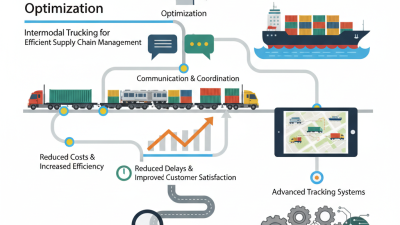
Intermodal transportation is a modern solution that integrates multiple modes of transport to enhance logistics efficiency. By combining rail, road, air, and sea, intermodal transportation optimizes the supply chain. This method allows for streamlined processes and reduced shipping times, making it increasingly popular among businesses today.
Incorporating intermodal transportation can lead to significant cost savings. For instance, shipping goods across regions may allow companies to balance speed and expense effectively. However, relying on several carriers can introduce challenges. Coordination and communication among different modes are essential to avoid delays.
Despite these potential pitfalls, intermodal transportation remains a compelling choice. It can reduce carbon footprints while improving reliability. The integrated approach also offers flexibility in cargo handling. Businesses can adapt to changing demands more easily. This sector continues to evolve, highlighting the importance of efficient transportation solutions. Ultimately, understanding intermodal transportation is key for businesses navigating today's complex logistics landscape.
Definition of Intermodal Transportation and Its Key Components
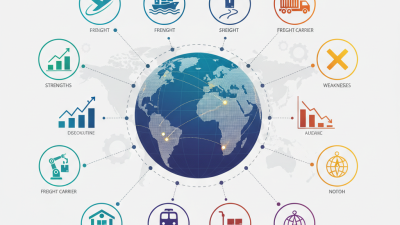
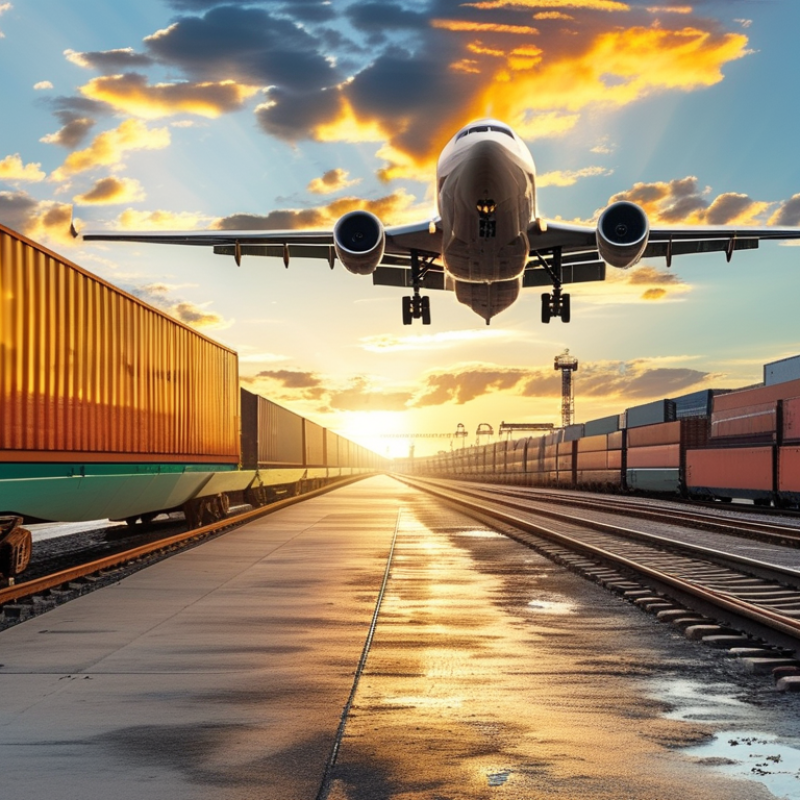
Intermodal transportation refers to the use of multiple modes of transport to move goods efficiently. Key components include trucks, trains, ships, and sometimes planes. Each mode contributes to a seamless transition of freight. The integration of these modes offers flexibility and cost savings. Shipping by intermodal means you can tap into the strengths of each transport method. This approach enhances reliability and reduces transit times.
Using intermodal transportation can streamline your operations. For instance, when dealing with international shipping, a container can be easily transferred from a ship to a truck. This transition minimizes delays, ensuring your goods reach their destination on time. It's essential to stay informed about potential challenges, like delays at ports or rail congestion. Always have contingency plans in place.
Effective planning is key. Map out routes that utilize various transport methods. Look for partnerships with providers who specialize in intermodal services. This collaboration can enhance efficiency. Understanding your supply chain well can lead to more cost-effective strategies. The right approach not only boosts your logistics but also improves customer satisfaction.
Benefits of Intermodal Transportation
The Different Modes of Transport in Intermodal Systems
Intermodal transportation combines different modes of transport to move goods more efficiently. This system typically includes rail, road, sea, and air transport. Each mode has its own strengths, making them suitable for specific tasks. For instance, rail is excellent for bulk cargo over long distances, while trucks handle last-mile delivery effectively. Understanding each mode helps logistics professionals design optimal transport solutions.
Rail transport offers speed and lower environmental impact. Large volumes of freight can be moved at once, reducing overall costs. Trucks provide flexibility and reach, making them vital for local deliveries. Shipping containers streamline loading and unloading processes at ports, facilitating smooth transitions between ship and land transport. However, each mode can have limitations. Weather disruptions can delay rail movement, while road congestion may slow down truck deliveries.
Intermodal systems maximize the best aspects of each transport mode. They can create cost savings and reduce transit times. Yet, coordination among various transport providers remains a challenge. Delays in one mode can affect the entire shipping timeline. Companies need to maintain transparent communication throughout the process. Adopting intermodal transport can expose inefficiencies but may ultimately lead to stronger logistics strategies.
Benefits of Intermodal Transportation for Businesses and Consumers
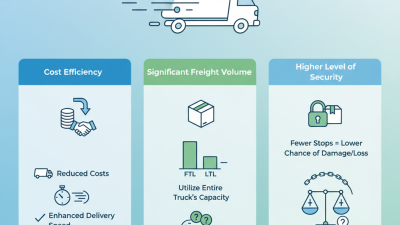
Intermodal transportation offers significant benefits for businesses and consumers. It combines different modes of transport, such as trucks, trains, and ships, to deliver goods more efficiently. This method can reduce transportation costs and improve delivery times. For instance, rail transport is often cheaper than road transport for long distances. The seamless transition between different transport modes also minimizes delays.
Businesses benefit from diverse shipping options. They can choose the most effective combination based on cargo type and destination. This flexibility is crucial for managing supply chains. Additionally, intermodal transportation often leads to fewer greenhouse gas emissions compared to solely relying on trucks. Consumers may notice lower prices as businesses save on shipping costs.
However, intermodal transportation is not without challenges. Coordination across different transport modes requires careful planning. Mishandling can lead to delays and increased costs. Companies must also invest in tracking technology to monitor shipments effectively. While many embrace this system, some still hesitate due to perceived complications. A thorough understanding of the logistics involved can help ease these concerns.
Challenges and Limitations of Intermodal Freight Transport
Intermodal freight transport combines different modes of transportation, but it is not without its challenges. Delays are a common issue. According to data from the American Transportation Research Institute, intermodal delays can increase transit times by over 10 hours. This unpredictability can significantly frustrate supply chain managers who rely on timely deliveries.
Infrastructure limitations also pose significant hurdles. Inadequate intermodal facilities can lead to congestion. The Freight Transportation Research Center indicates that many ports and rail terminals are not designed to handle increasing intermodal traffic. This can result in longer processing times and higher costs. Companies must be aware of these limitations when planning their logistics.
Communication is critical in intermodal shipping. Miscommunication between carriers and shippers can create inefficiencies. Ensure that all parties involved are well-informed about schedules and procedures. Clear, consistent updates can help mitigate some of these challenges. Planning is essential, as is understanding that while intermodal transport can offer savings, it also requires careful management to navigate potential pitfalls effectively.
What is Intermodal Transportation and How Does It Benefit You? - Challenges and Limitations of Intermodal Freight Transport
| Dimension |
Description |
| Cost Efficiency |
Intermodal transport can reduce shipping costs by utilizing multiple modes of transport, optimizing routes and reducing empty container movements. |
| Environmental Impact |
This method of transportation tends to produce lower carbon emissions compared to single mode transport, promoting sustainability. |
| Flexibility |
Intermodal transportation provides flexibility in the choice of transportation modes and routes, allowing for adjustments based on conditions and demands. |
| Time Efficiency |
By combining the strengths of different transport modes, intermodal transport can often speed up delivery times, especially for long distances. |
| Challenges |
Coordination between different carriers and potential delays at transfer points can pose challenges. |
| Infrastructure Requirement |
Requires well-developed infrastructure, including rail, ports, and terminals, which might not be available in all regions. |
| Customs and Regulations |
Handling customs documentation across different countries and modes can complicate the process. |
Future Trends in Intermodal Transportation and Technology Integration
The future of intermodal transportation lies in its technological integration. Data from the American Association of Railroads indicates that by 2025, intermodal freight volume could increase by over 25%. This growth is driven by advancements like real-time tracking and automated scheduling.
These technologies not only enhance efficiency but also improve transparency. Shippers can monitor cargo status easily, reducing the uncertainty often associated with freight movements.
Utilizing digital platforms can optimize route planning. Advanced algorithms enable better decision-making, ensuring that shipments are delivered faster and more reliably. The Institute of Transport Economics reports that companies adopting these technologies see, on average, a 15% reduction in operational costs.
However, challenges remain. The integration of new systems can be complex and resource-intensive for some companies.
Stay informed about the latest trends in intermodal logistics. Exploring partnerships with tech firms can give your operations a significant edge. Evaluate your current processes and ask if they meet emerging industry standards. Adapting swiftly can create flexibility and resilience in a rapidly evolving market.