Why Are Shipping Containers Essential for Global Trade?
Why Are Shipping Containers Essential for Global Trade?
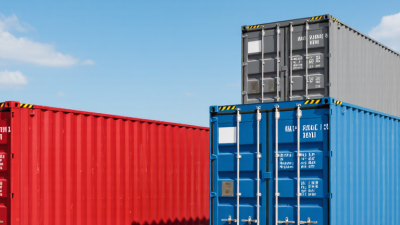
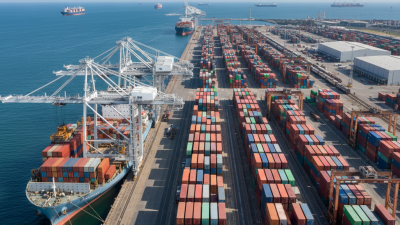
A shipping container is more than a steel box. It is a standardized link between factories, ports, railways, trucks, and warehouses. A single 20-foot container can move from a loading dock in Shenzhen to a distribution center in Rotterdam with limited cargo handling. Its sealed structure also protects goods from rain, rough seas, dust, and repeated transfers.
The scale is substantial. UNCTAD’s Review of Maritime Transport 2024 reports that maritime transport carries more than 80% of world trade by volume. The World Shipping Council estimates that approximately 250 million containers move through global supply chains each year. These figures explain why containers remain central to retail, manufacturing, food distribution, and industrial production. Lars Jensen, a widely recognized container-shipping analyst, describes the industry as “the circulatory system of the global economy.” The comparison is useful. Ports act like major organs, while ships, railways, and trucks carry the flow.
Yet the system is not flawless. Port congestion can leave containers waiting for days. Empty boxes may accumulate in one region while exporters face shortages elsewhere. Delays, equipment imbalances, and volatile freight rates still expose weaknesses in global logistics. That matters.
The container’s real value comes from standardization. Cranes can lift it quickly. Rail operators can move it without repacking. Digital tracking can record its journey. These efficiencies reduce handling costs and support international specialization. However, efficiency should not be confused with sustainability. UNCTAD continues to highlight shipping’s emissions challenge and the need for cleaner fuels, better vessels, and resilient ports. The shipping container remains essential, but its future depends on improving the entire network around it.
What Shipping Containers Are and How They Work
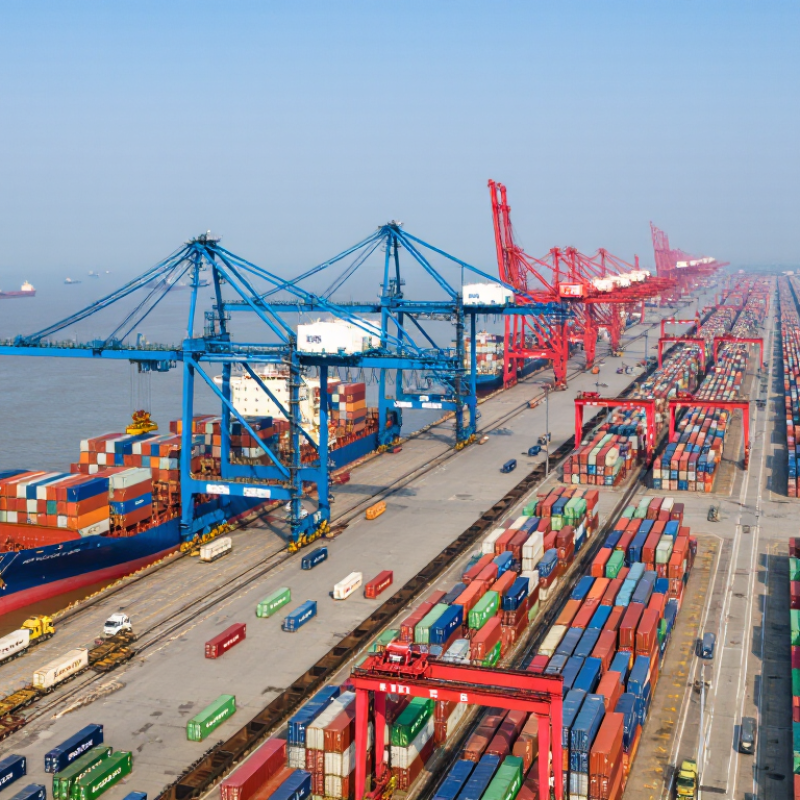
A shipping container is a strong, reusable steel box designed to carry cargo across several transport systems. It may travel by truck, train, and vessel without unloading its contents. This process is called intermodal transport. Standard sizes make planning easier, especially when cargo moves through busy ports and inland terminals.
Most containers have corrugated steel walls, a wooden or composite floor, double doors, and reinforced corner castings. These corner fittings allow cranes and lifting equipment to move the box safely. Twist locks secure containers to a vessel, rail wagon, or truck chassis. Inside, workers use straps, blocking, and air bags to reduce movement. A small gap can become a serious problem when cargo shifts during rough seas.
A container protects goods from rain, dust, and repeated handling. Its sealed structure also helps create a clear chain of custody during transport. However, containers are not completely secure by themselves. Damaged doors, wet floors, or poor weight distribution can cause losses. In my experience, careful inspection matters as much as the steel walls. Look for bent locking bars, unusual odors, loose flooring, and visible light around the doors. It is easy to trust a clean exterior too quickly. Cargo weight must also stay within marked limits, with heavier items placed low and evenly. Even this method is not perfect, because real cargo rarely fits an ideal diagram.
Why Are Shipping Containers Essential for Global Trade?
Shipping containers are standardized steel boxes designed to move cargo efficiently between ships, trains, and trucks without unloading the goods. Their uniform dimensions reduce handling time, protect products, and make international logistics more predictable.
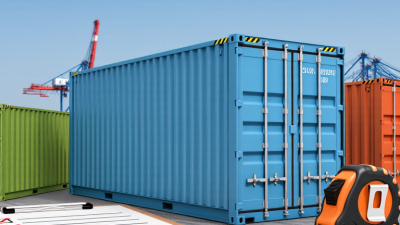
The chart compares the approximate nominal internal volume of widely used ISO container formats. A TEU, or twenty-foot equivalent unit, is the standard reference unit for container capacity. Actual internal dimensions may vary slightly by container design.
How Standardization Transformed International Shipping
Why Are Shipping Containers Essential for Global Trade?
How Standardization Transformed International Shipping
At a busy port, a steel container arrives by truck, waits briefly, then moves by crane onto a ship. Its dimensions are predictable. The same box can travel across roads, railways, and oceans without repacking. ISO 668 standardizes key container dimensions, while ISO 6346 supports consistent identification. That uniformity changed more than equipment. It changed the rhythm of trade.
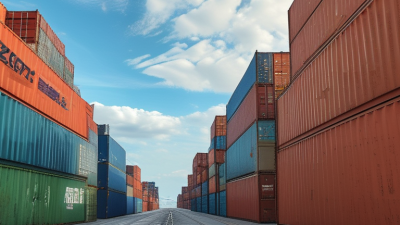
Before containerization, dockworkers handled cargo piece by piece. Crates, bags, and barrels sat exposed on crowded quays. Loading took longer, and damage was harder to control. Standard boxes made mechanical lifting practical. They also improved scheduling, insurance calculations, and warehouse planning. UNCTAD’s Review of Maritime Transport 2024 states that over 80% of global merchandise trade by volume moves by sea. Much of that flow depends on containers fitting the same cranes, chassis, and ship cell guides.
The effect is measurable, though not perfect. The World Bank’s Container Port Performance Index 2023 assessed 348 ports using vessel time in port. Its comparisons show how standard equipment supports faster handling. They also expose delays caused by congestion, weather, labor shortages, or weak land connections. Standardization did not erase friction. It relocated some of it. A container may leave a vessel quickly, then wait outside the gate. That detail is easy to miss. Reliable trade still needs maintained infrastructure and people who notice where the standard stops working.
How Containers Move Through Global Supply Chains
A shipping container often begins its journey at a factory, where workers load, count, and secure cargo. Its identification number links the box to transport records, customs documents, and delivery instructions. A truck then carries it to an inland terminal or seaport. There, cranes lift it onto a vessel with remarkable precision. The container protects goods from weather, repeated handling, and unnecessary unpacking. This simple structure makes long-distance trade faster and more predictable.
The route is rarely straight. A container may move by truck, rail, ship, and truck again before reaching a warehouse. At each transfer, staff check seals, weight information, and destination data. Digital tracking can show delays caused by storms, port congestion, equipment shortages, or incomplete paperwork. Small errors matter. A wrong reference number can hold a container for hours or longer. Safety checks also protect workers and prevent unstable loads during transit. In practice, the system is efficient, but not flawless. A container may wait beside stacked boxes while schedules change around it. That delay can affect factory production, retail inventory, and transport costs. Better coordination helps, yet every handoff still depends on accurate records and careful human judgment.
The Challenges and Future of Container-Based Trade
Why Are Shipping Containers Essential for Global Trade?
The Challenges and Future of Container-Based Trade
Shipping containers make global trade predictable, efficient, and measurable. A sealed steel box can move from a factory truck to a rail wagon, then onto a vessel. This reduces repeated handling and protects goods from rain, dust, and minor impacts. Ports can also plan movements using standard dimensions. That consistency lowers delays in many supply chains. However, container trade is not flawless. A blocked canal, labor shortage, or severe storm can disrupt thousands of deliveries within days.
The industry faces rising pressure from congestion, emissions, empty containers, and aging port infrastructure. Smaller ports may lack cranes, storage space, or digital tracking systems. Poor coordination creates long queues outside terminals. A container can sit for hours while paperwork catches up. Data sharing may improve visibility, but technology alone cannot fix weak planning. I also think forecasts are often too confident. Consumer demand changes quickly, while ships and terminals require years of investment. Future systems will need cleaner fuels, automated handling, stronger cybersecurity, and better cooperation between transport operators and public authorities.
Tips: Check container dimensions before booking space. Confirm cargo weight carefully. Keep documents accurate and accessible. Track port alerts daily. Build extra time into delivery plans. A small buffer can prevent a costly chain reaction.