
Why Choose Truckload Shipping for Global Sourcing?
Global sourcing depends on more than finding a low supplier price. Reliable transportation protects delivery schedules, inventory planning, and customer trust. Truckload shipping can move a full shipment directly from a supplier, consolidation center, or port to a distribution facility. Fewer handling points may reduce transfer damage and simplify shipment visibility.
A practical example is a buyer sourcing machinery components from several approved suppliers. Pallets can be consolidated at a regional facility, loaded once, sealed, and tracked toward the receiving warehouse. A carrier can coordinate dock appointments, equipment requirements, and delivery windows. These details matter when products need careful handling, specific temperatures, or secure packaging. Experienced logistics teams also review commercial invoices, packing lists, country-of-origin information, and customs requirements before dispatch. Compliance remains essential across every border.
Truckload is not automatically the best answer. A partially filled trailer may create unnecessary cost, while a rushed consolidation plan can delay production. That deserves honest review. Shipment volume, lane reliability, delivery urgency, product characteristics, and total landed cost should guide the decision. Carriers should provide clear insurance terms, tracking procedures, and escalation contacts. Buyers should also verify transportation partners and maintain accurate records. The strongest global sourcing strategy treats freight as a business decision, not merely a booking. When capacity, documentation, and timing align, truckload shipping can offer a more controlled path from international suppliers to the final warehouse. It still requires discipline.
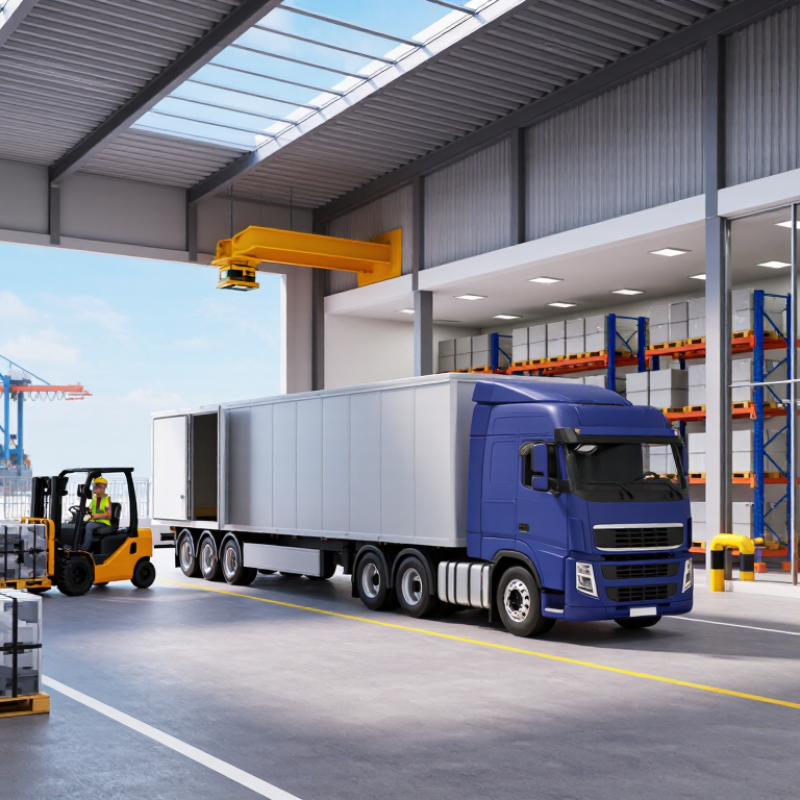
What Truckload Shipping Means in Global Sourcing
Why Choose Truckload Shipping for Global Sourcing?
What Truckload Shipping Means in Global Sourcing
Truckload shipping moves one buyer’s cargo in a dedicated trailer, usually from a port, warehouse, or supplier facility. The trailer travels with fewer stops than shared freight services. This can reduce handling, delays, and damage risks for large sourcing orders. In practice, it works well for furniture, packaged goods, machinery parts, and seasonal inventory. A full trailer may also simplify scheduling because the shipper controls the pickup window and delivery appointment.
Tips: Confirm the cargo volume before booking. Measure pallets carefully. Leave space for loading access. Check weight limits, packaging strength, and delivery hours. Ask for tracking updates and written handoff records. Small details matter.
Truckload shipping supports global sourcing when buyers need predictable movement after goods reach a regional gateway. For example, a supplier’s cartons can move directly to a distribution center instead of passing through several consolidation points. That path may protect product condition and reduce transfer time. However, a nearly empty trailer can become expensive. This is where planning requires judgment, not assumptions. Compare trailer utilization, storage costs, urgency, and delivery reliability. I have seen efficient routes lose value when purchase forecasts were too optimistic. A careful review of historical order volume can prevent that mistake.
Why Choose Truckload Shipping for Global Sourcing? - What Truckload Shipping Means in Global Sourcing
| Dimension | What Truckload Shipping Means | Relevance to Global Sourcing |
|---|---|---|
| Basic definition | Truckload (TL), also called full truckload (FTL), is a shipment that uses most or all of a trailer’s available capacity. The shipment generally travels directly from pickup to delivery rather than being consolidated with multiple shippers’ freight. | It is commonly used to move goods between a supplier, port, distribution center, or customer when a shipment is large enough to justify reserving a trailer. |
| Role in an international shipment | Truckload is a road-transport leg, not an international shipping mode by itself. A global shipment may combine truckload transport with ocean or air freight and, where needed, rail. | For example, a truck can carry cargo from a factory to a seaport, or move a container from a port to an inland warehouse. The route and equipment depend on the shipment plan. |
| Typical shipment fit | Best suited to large, time-sensitive, high-volume, or shipment-specific loads that can use a substantial share of a trailer. | Buyers sourcing a full production run or consolidating orders from one supplier may reduce handling and avoid the extra transfers common in less-than-truckload shipping. |
| Common equipment | Dry van trailers are widely used for boxed or palletized goods. Refrigerated trailers serve temperature-controlled freight; flatbeds are used for suitable oversized or irregular cargo. | Equipment should match the cargo, loading method, route, and any temperature or security requirements. Cross-border and port operations may also require compatible chassis or containers. |
| Capacity reference | In the United States, a common 53-foot dry van may accommodate roughly 26 standard 48 × 40-inch pallets when loaded in a single layer. Usable space and payload vary by trailer, cargo, and loading plan. | Treat capacity as a planning estimate, not a guarantee. Confirm dimensions, stackability, axle limits, and the applicable legal weight limits for the route. |
| Transit and handling | Direct truckload movements typically involve fewer freight transfers than consolidated less-than-truckload moves. Actual transit time depends on distance, traffic, border processing, port conditions, and driver-hours rules. | Fewer handling points can help reduce opportunities for damage, but truckload does not eliminate delays or guarantee a specific delivery time. |
| Cost structure | Rates are commonly influenced by distance, equipment type, shipment weight and dimensions, fuel, seasonality, route balance, and special requirements. | Compare the full door-to-door cost—not just the truck rate—including pickup, port or terminal charges, customs-related services, storage, and final delivery where applicable. |
| Truckload versus LTL | Less-than-truckload (LTL) combines smaller shipments from multiple shippers; truckload generally reserves a trailer for one shipment or customer. | LTL can suit smaller orders, while truckload may be preferable when volume, delivery needs, cargo characteristics, or reduced handling make a dedicated move practical. |
| Planning considerations | Accurate cargo dimensions, weight, packaging, pickup readiness, delivery appointments, and loading or unloading capabilities are essential for booking. | Coordinate the truck leg with supplier production schedules, export documentation, port cutoffs, customs clearance, and the receiving warehouse’s operating hours. |
| When truckload may not be suitable | A dedicated trailer may be inefficient for small shipments, and certain cargo may require specialized equipment or handling beyond standard truckload service. | Consider LTL, intermodal, parcel, or another suitable option when shipment size, route, budget, or cargo requirements make a full truckload impractical. |
Capacity figures are indicative examples for common U.S. equipment; actual limits and practices vary by equipment, jurisdiction, route, and cargo.
Related Posts
-

2026 Top Full Truck Load Shipping Rates?
-
10 Truckload Shipping Tips for Global Buyers
-
2026 Top Best Trucking Companies to Consider for Your Business?
-
Why Full Truck Load Shipping is the Best Choice for Cost Efficiency?
-
What are the Benefits of Intermodal Transportation in 2026?
-
What is LTL Freight Quote and How to Get One?