What Are the Top Types of Freight Carriers?

Choosing among freight carriers is rarely as simple as comparing prices. Each carrier type solves a different transportation problem.

Truckload carriers move full shipments directly between locations. They often suit manufacturers shipping several pallets or an entire trailer. Less-than-truckload carriers combine smaller shipments from multiple customers. This option can reduce costs, although extra terminals may increase handling time. Parcel carriers serve lightweight packages, while specialized carriers manage temperature-controlled, oversized, fragile, or high-value freight.

Intermodal carriers combine trucking with rail or ocean transport. They can support long-distance shipping with fewer road miles. Air freight carriers provide speed when delivery schedules are tight. Ocean carriers remain important for international container shipments, especially when volume matters more than urgency. These categories overlap. A logistics provider may coordinate several services instead of operating every vehicle itself.

Chris Spear, president and chief executive officer of the American Trucking Associations, has described trucking as “the backbone of our economy.” That observation explains why carrier selection affects more than delivery speed. It can influence inventory levels, warehouse planning, product condition, and customer trust.

A practical evaluation should examine coverage, equipment, tracking, claims procedures, delivery history, and service commitments. Pricing still matters, but the lowest quote may hide transfer points or restrictive terms. That distinction is easy to miss.

This guide compares the top types of freight carriers and explains where each model performs best. It also recognizes an uncomfortable truth: no carrier type is perfect. Weather, capacity shortages, communication gaps, and imperfect forecasts can disrupt even well-planned shipments. The strongest decision comes from matching service capability with the freight’s actual needs.
What Are the Top Types of Freight Carriers?

What Is a Freight Carrier and How Does It Operate?

A freight carrier is a company or transport provider that moves goods between shipping points. It may use trucks, trains, aircraft, vessels, or several modes together. The carrier usually receives shipment details, checks cargo dimensions, assigns equipment, and plans a route. A dispatcher then coordinates drivers, terminals, warehouses, and delivery appointments.

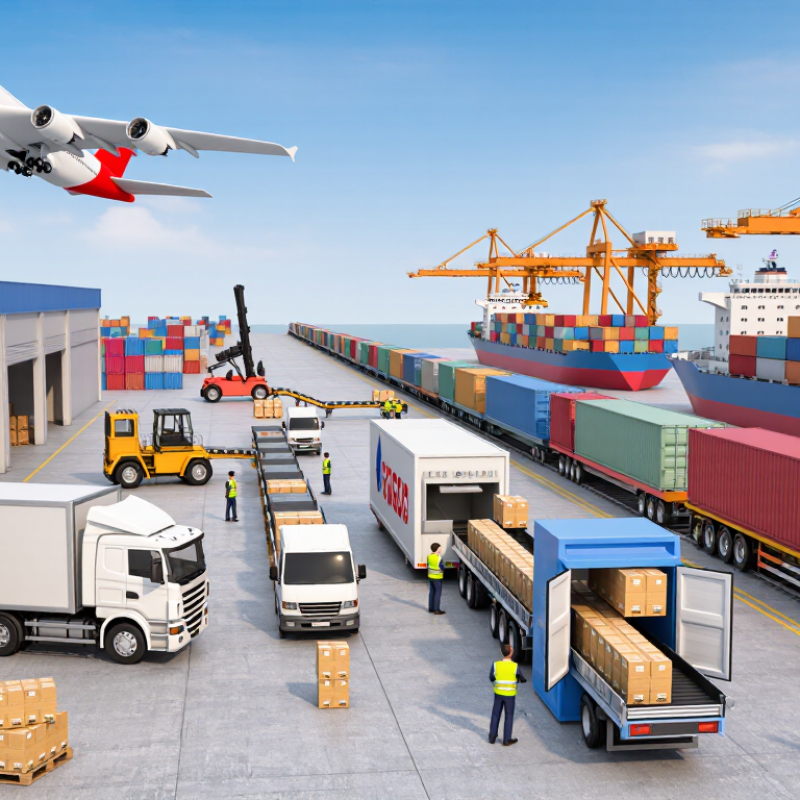
Operations depend on cargo type, distance, timing, and handling needs. Truck carriers offer flexible door-to-door service, while rail carriers suit heavy freight moving over long distances. Air carriers provide speed for urgent, lightweight shipments. Ocean carriers handle large volumes across international routes. Multimodal carriers combine these options, transferring cargo between vehicles or terminals.

Each handoff creates risk. Labels can become unclear. Delivery times can also shift. A reliable carrier tracks these changes and communicates them early.

Tips: Confirm weight, dimensions, pickup hours, and delivery restrictions before booking. Ask how the carrier handles delays, damaged packaging, and shipment tracking. Keep photos of the cargo before loading. Small details matter. Compare the quoted price with service limits, not price alone. I have found that the cheapest option can create extra warehouse work later. Planning is useful, but it is never perfect. Leave reasonable time for weather, terminal congestion, and unexpected equipment changes.

What Are the Main Types of Freight Carriers?

Freight carriers are grouped by how they move cargo and serve shippers. Truckload carriers move one customer’s shipment in a dedicated trailer. They suit large loads, direct routes, and time-sensitive deliveries. Less-than-truckload carriers combine smaller shipments from several customers. This option can reduce costs, but extra terminal handling may increase transit time. Parcel carriers handle small packages, often with frequent scans and neighborhood delivery stops.

Rail carriers transport heavy freight across long inland distances. They usually work well for bulk goods, containers, and predictable schedules. Ocean carriers move international cargo in containers between ports. Their capacity is substantial, although port congestion can affect arrival dates. Air carriers provide the fastest option for urgent, lightweight shipments. The price is usually much higher, so careful planning matters.

Intermodal carriers combine two or more transport modes, such as rail and truck. Containers can move between terminals without unloading the cargo itself. Freight forwarders arrange transportation through several carriers, while brokers help match shipments with available capacity. They do not always operate vehicles directly. In practice, the “best” carrier type depends on weight, distance, handling needs, delivery windows, and budget. A low quote can mislead. Accessorial charges, missed appointments, or poor tracking may create larger costs later. Shipment data should be checked before choosing a service.

How Do Freight Carriers Differ by Transport Mode?

Freight carriers differ most clearly by the transport mode they operate. That choice affects speed, cost, cargo protection, and delivery reliability.

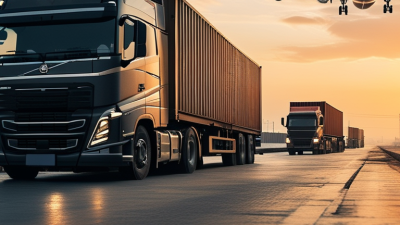
Road carriers use trucks for flexible pickup and direct regional delivery. They suit palletized goods, retail replenishment, and time-sensitive domestic shipments. However, traffic, weather, driver availability, and loading delays can change an apparently simple schedule.

Rail carriers move heavy freight over long inland distances with strong fuel efficiency. They often handle bulk materials, machinery, and containerized cargo.

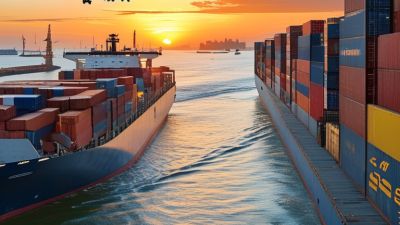
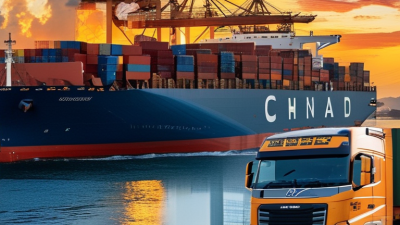
Ocean carriers transport large volumes between international ports at comparatively low unit costs. Transit times are longer, and port congestion can disrupt carefully planned arrivals.

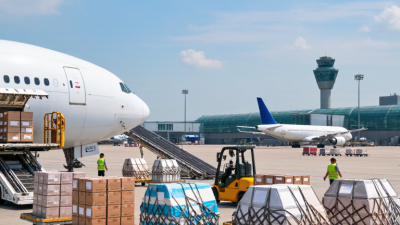
Air carriers provide the fastest option for lightweight, urgent shipments, but their pricing usually rises sharply with weight and volume.

Intermodal carriers combine truck, rail, and ocean transport. It sounds efficient. Yet every transfer creates another handoff, inspection point, and opportunity for damage.

Choosing a carrier requires more than comparing quoted rates. Shipment weight, dimensions, delivery windows, handling needs, and route conditions all matter.

Temperature-sensitive freight may need monitored equipment and documented checks. Valuable cargo may require stronger packaging, tracking, and appropriate coverage. Clear shipping documents reduce confusion at terminals and borders.

In practice, a slightly slower mode can be more dependable than an attractive fast option. Even experienced planners sometimes underestimate transfer delays. That trade-off deserves careful review.

Which Factors Determine the Right Freight Carrier?

What Are the Top Types of Freight Carriers?

Choosing the right freight carrier starts with the shipment, not the lowest quote. Full truckload suits large, time-sensitive shipments that need direct movement. Less-than-truckload service can reduce costs when several pallets share trailer space. Intermodal transport may work for longer routes, especially when rail supports part of the journey. Air freight is faster, but usually costs more. Ocean freight fits large international volumes with flexible delivery dates.

The right choice depends on weight, dimensions, pickup location, delivery distance, and required arrival time. Check the carrier’s service area, equipment, tracking system, claims process, and insurance documentation. Reliability also matters. A carrier with strong safety records and clear communication can prevent costly disruptions.

In practice, I would compare recent performance data, not only written promises. A cheap quote can look smart. It may become expensive after delays, storage fees, or damaged packaging. Even experienced shippers sometimes overlook appointment requirements.

Tips: Describe the cargo accurately, including pallet count, measurements, weight, and handling needs. Request a complete quote with accessorial charges explained. Ask how delays are reported and who manages urgent changes. Test the tracking process on one shipment before assigning regular freight. Keep a simple scorecard for delivery accuracy, response time, damage incidents, and invoice clarity. Do not rely on one impressive conversation. Consistent evidence is better.

What Are the Benefits and Limitations of Each Carrier Type?

Freight carrier choice is a trade-off between speed, cost, control, and cargo density. Truckload service offers flexible pickup, direct routing, and fewer handling points. It suits full trailers and time-sensitive regional freight. However, fuel costs, driver shortages, congestion, and weather can reduce reliability. Less-than-truckload service helps smaller shippers share trailer space. It lowers costs for partial loads. More terminals also mean more handling and possible damage. The 2024 CSCMP State of Logistics Report placed U.S. business logistics costs at about $2.7 trillion in 2023, showing why small efficiency gains matter.

Rail provides strong fuel efficiency and stable pricing for heavy, long-distance shipments. The U.S. Department of Transportation’s Freight Analysis Framework projects substantial growth in domestic freight tonnage through 2050, supporting rail’s role in bulk transport. Its limitations are clear: fixed routes, terminal transfers, and slower final-mile delivery. Intermodal rail and truck service can reduce highway exposure. Coordination is harder, though. Delays can multiply.

Ocean freight remains economical for large international volumes. UNCTAD reports that shipping carries over 80% of global merchandise trade by volume. Transit times are long, and port congestion or schedule changes can disrupt inventory plans. Air freight offers exceptional speed for urgent, high-value goods. IATA reports that air cargo carries over 30% of global trade value, despite representing less than 1% of trade volume. The limitation is price, emissions, and tighter capacity. I would not treat the cheapest quote as the best decision. A missed delivery window can cost more than transportation itself.

What Are the Top Types of Freight Carriers?

Benefits and limitations compared across common freight carrier types

Comparative industry benchmark: 1 = low, 5 = high. Ratings reflect typical operating characteristics and may vary by lane, shipment size, and service level.

Truckload
Benefits: Direct movement, fast transit, low handling exposure, and strong flexibility for full trailers.
Limitations: Higher cost when trailer space is not fully used and exposure to driver, fuel, and capacity shortages.
Less-than-truckload
Benefits: Cost-effective for shipments that do not require a full trailer and offers broad regional coverage.
Limitations: More terminal handling, longer transit times, and greater risk of delay or freight damage.
Rail Freight
Benefits: Efficient for heavy or high-volume freight, generally lower emissions per ton-mile, and reliable for scheduled corridors.
Limitations: Limited route flexibility, dependence on terminals, and additional truck moves for first- and last-mile delivery.
Air Freight
Benefits: Fastest option for urgent, high-value, or time-sensitive cargo with strong international reach.
Limitations: Highest transportation cost, tighter size and weight restrictions, and greater sensitivity to security or weather controls.
Ocean Freight
Benefits: Very high capacity and low unit cost for international bulk and containerized shipments.
Limitations: Long transit times, port dependency, customs requirements, and exposure to congestion or sailing schedule changes.